Find Nonprofits

Sahaya International
Sahaya International, Inc. is a 501(c)3 non-profit organization, based in Davis, California. We consist of a diverse network of friends, who are committed to make a difference towards improving the quality of life in developing countries. We are 100% run by unpaid volunteers. Not a single penny is spent on salaries. We want to make sure that the maximum amount of your donation can go overseas to directly help the people who are in need. Through our volunteer efforts, we provide much needed assistance to social development projects in developing countries.
Davis, California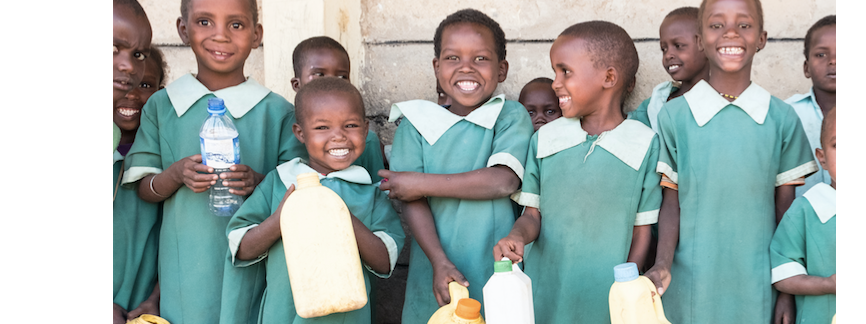
The Samburu Project
Our mission is to provide access to clean water and continue to support well communities with initiatives that promote health, education, women’s empowerment and general well-being. WATER is health, education, community, empowerment, dignity, hope, and LIFE.
Los Angeles, California

Community Enrichment Center (the CEC)
Changing lives by restoring hope and sharing God’s love. Our vision at the CEC is to break the cycle of poverty and family violence
North Richland Hills, Texas
ADOPTIONS OF INDIANA
Adoptions of Indiana seeks to identify and meet the needs of adoptees and birth and adoptive families through compassionate and comprehensive adoption services.
Carmel, Indiana
The Spirit of Humanity.Org Inc
Our mission is a multifaceted one. All projects are interconnected to one another. The pilot program is designed to increase the rural educational program from the current first through fifth grades to sixth through eleventh grades. Using the Lao village of Kengmaihia (Champasak Province) as our model, we hope to expand our project to similar rural villages throughout Lao. Cambodia and Myanmar children also suffer from an inadequate rural schools program and are future countries of interest to expand our reach. These three nations are widely known for their strong family work ethic, beginning at a young age. They are poor countries with limited opportunities, which targets them for the child labor recruiters.The young children (about 10 years of age) have completed their education and are hopeful to find work. Many of their working age parents have left the village, migrating to population centers, often illegally. They send their meager earnings home to help care for their families. Grandparents and other family members will serve as custodians to the children. Savvy recruiters can play upon the desperate people. The children are happy and encourage their custodians to allow them to work. They in turn will accept the small amount of money offered along with the false promises of training and a good job. Another important component of our project is the loss of cultural heritage. These rural communities have existed for hundreds of years without major environmental consequences. They know how to live without damaging the surroundings. We need some of these kids to carry on with the long established practices of how to live in a self-sufficient world. This problem can be solved with our future Eco Retreat project. Teaching the children skills they can use in their home environment can provide jobs while preserving the cultural heritage. The fourth part of our integrated projects is to provide assistance in clearing the countryside of unexploded ordnance (UXO). From 1964 to 1973, the U.S. dropped more than two million tons of ordnance on Lao. More than 580,000 bombing missions, equal to a plane load of bombs every eight minutes, 24 hours a day for nine years. This made Laos the most heavily bombed country in history, equaling the total number of bombs dropped by both sides in World War II. The bombings were part of the U.S. Secret War to support the Royal Lao Government against the Pathet Lao and to interdict traffic along the Ho Chi Minh Trail. The bombings destroyed many villages and displaced hundreds of thousands of Lao civilians during the nine year period. The legacy of this once secret war continues. Millions of the small cluster bombs are strewn across the country, threatening the lives of its people. These remaining bombs kill or injure people to this day, with many children being among the victims. With a poor economy and little hope of employment, people actually search for these bombs for scrap metal. Cluster munitions are the small explosive devices released from cluster bombs. Although they are designed to explode on impact, cluster munitions have a significant failure rate (estimated at 30% in Laos during the Vietnam War). They are usually the size of an orange or soup can and can stay buried in the ground indefinitely. Cluster munitions continue to kill villagers and prevent the redevelopment of bombed land. Over the past four decades, fewer than one million of the estimated 80 million cluster munitions that failed to detonate have been cleared. It’s estimated that it will take 200 years to clear the countryside. Programs set up in Laos to clear unexploded ordnance left over from heavy U.S. bombing during the Vietnam War are being hindered by shortfalls of funds from foreign donors. For direct donations: https://www.uxolao.org/donation-2/ For Champasak Province donations, contact Mr. Chanthy Pkoumya, Provincial Coordinator. Address: Ban Sok Am Naow District, Pakse, Lao. Tel: 031 213415 Website: http://www.uxolao.org
San Diego, CaliforniaPOCONO ENVIRONMENTAL EDUCATION CENTER
Making a difference in communities through dedicated service and impact.
DINGMANS FRY, Pennsylvania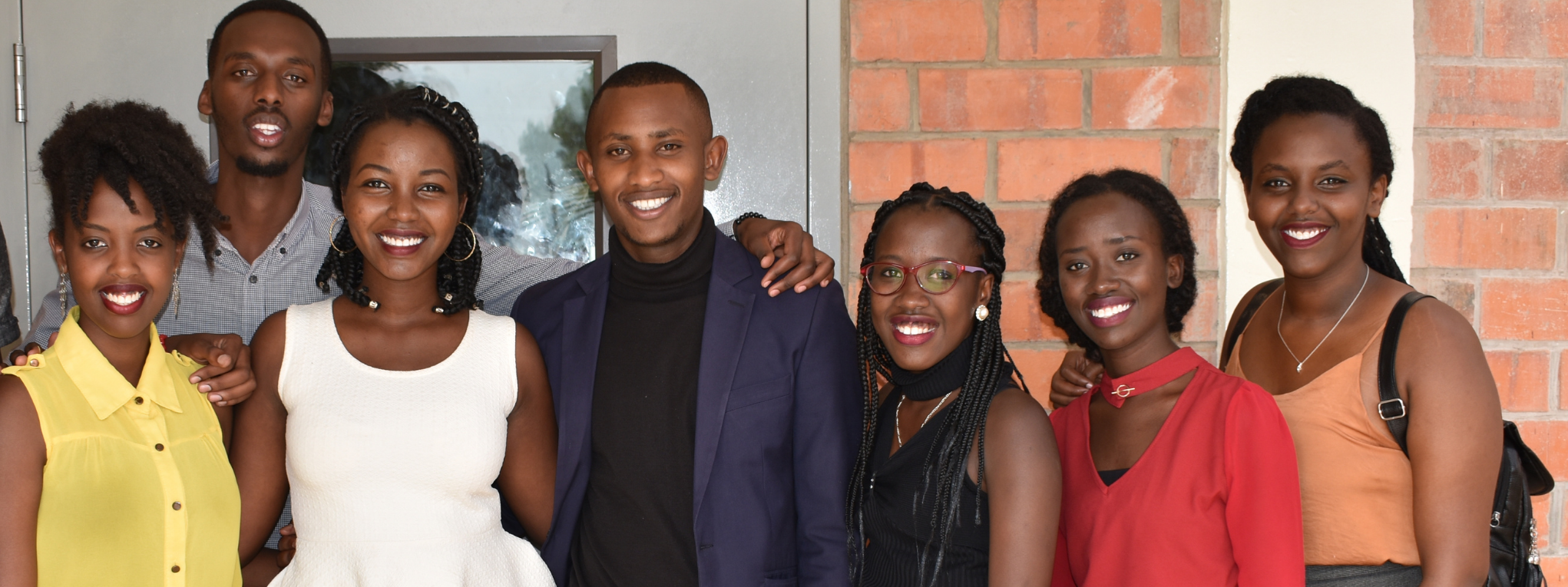

These Numbers Have Faces
We educate and equip Africa’s brightest young leaders, empowering them to cultivate thriving communities.
PORTLAND, Oregon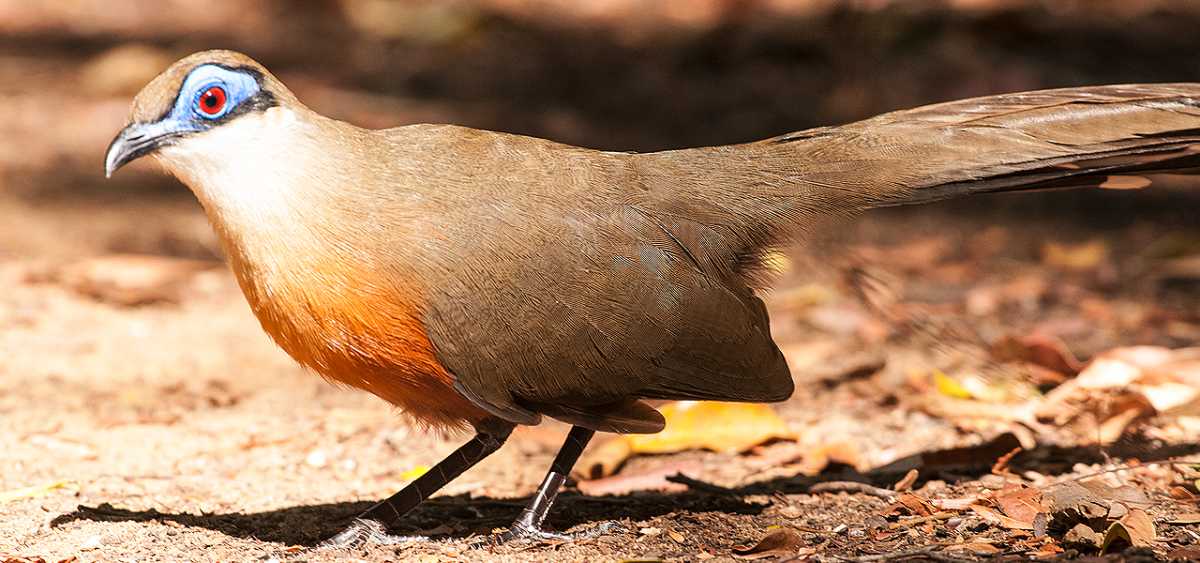

Madagascar Birding Association
At Madagascar Birding Association, our mission is to promote the conservation and preservation of the birds of Madagascar through inclusive, educational, and community-driven approaches. We believe that the local community is the key player in conservation and deserves to be supported through awareness-building and access to knowledge. We are committed to engaging with communities at every stage of the conservation process to make our efforts more effective and sustainable.
Analamanga, Antananarivo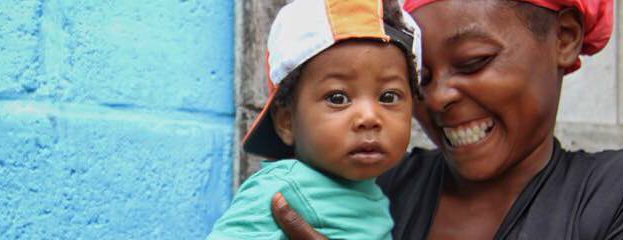

Dributts
The Dributts diaper was created to work in extreme environments with hot climates and where there is no running water or electricity. Our main focus is to prevent sickness and disease caused from uncontrolled fecal matter. The diaper is made to wash in a bucket with soap and water and hang up to dry quickly. The diaper is made of two parts, the outer shell and the insert. The outer shell is made of dri-fit material, which is breathable. The insert is made of bamboo and another highly-absorbent material. It is folded in thirds and inserted into the pocket of the diaper.

iWork4Him
The Mission of iWork4Him is to transform the workplace of every Christian into a mission field.
Marionville, MissouriDAMIEN HOUSE INC
Making a difference in communities through dedicated service and impact.
Chicago, IllinoisGenl Drivers Warehousemen
Making a difference in communities through dedicated service and impact.
Gary, Indiana