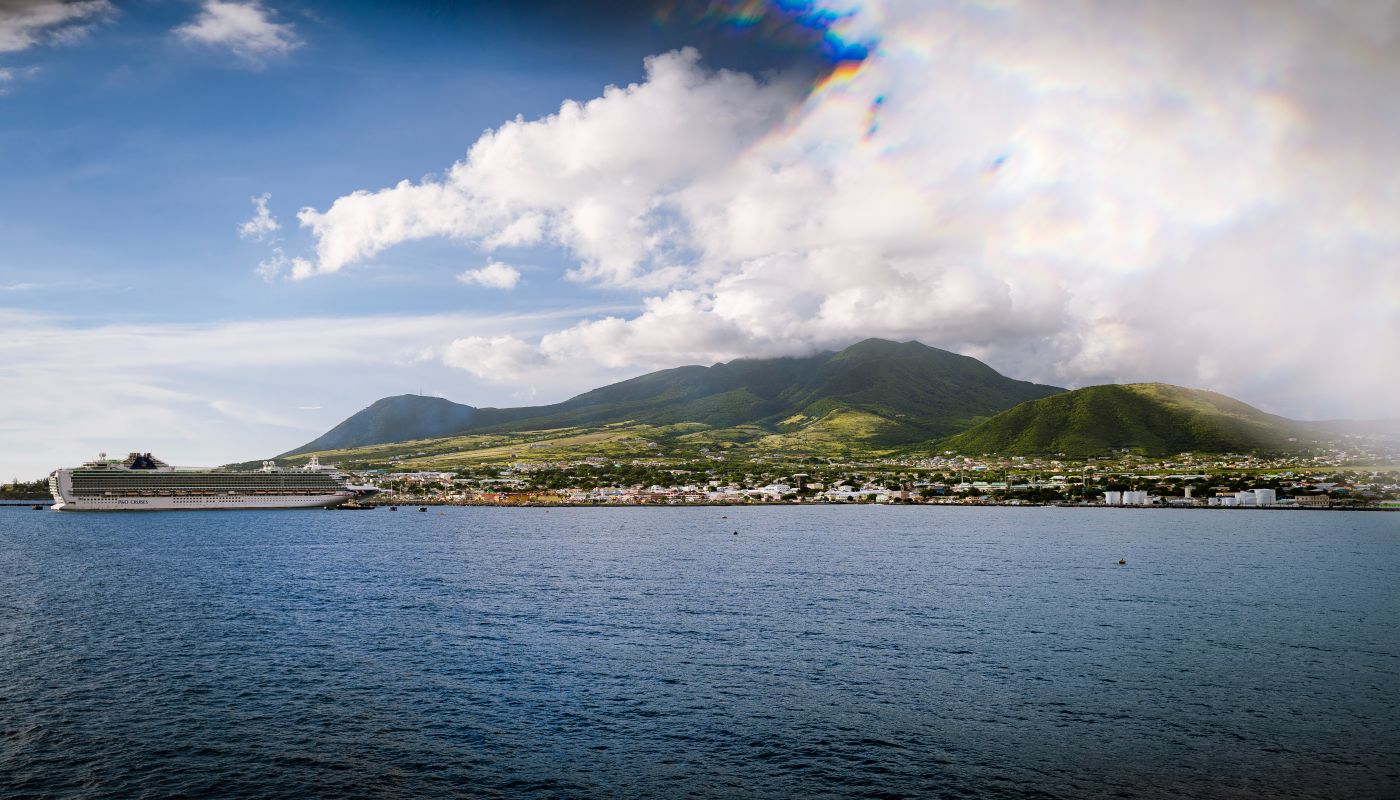
Landscape of Saint Kitts and Nevis
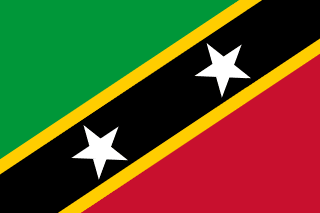
Flag of Saint Kitts and Nevis

Saint Kitts and Nevis

Saint Kitts and Nevis is a small island nation located in the Caribbean Sea, with a population of approximately 55,000 people. The country faces challenges related to economic development, including a reliance on tourism and a need to diversify its economy. The government has launched several initiatives to promote investment and job creation.

What would you like to learn about in Saint Kitts and Nevis?

Select a section to explore the country where nonprofits are creating positive change.

About Saint Kitts and Nevis

Carib Indians occupied the islands of the West Indies for hundreds of years before the British began settlement in 1623. In 1967, the island territory of Saint Christopher-Nevis-Anguilla became an associated state of the UK with full internal autonomy. The island of Anguilla rebelled and was allowed to secede in 1971. The remaining islands achieved independence in 1983 as Saint Kitts and Nevis. In 1998, a vote in Nevis on a referendum to separate from Saint Kitts fell short of the two-thirds majority needed. Nevis continues in its efforts to separate from Saint Kitts.

Quick Facts

Population
51,134 (July 2013 est.)
Area
261 sq km (Saint Kitts 168 sq km; Nevis 93 sq km)
ISO Code
KN
Government
parliamentary democracy and a Commonwealth realm
Active Causes
12

More in This Region

Geography & Environment

Climate

tropical, tempered by constant sea breezes; little seasonal temperature variation; rainy season (May to November)

Terrain

volcanic with mountainous interiors

Natural Resources

arable land

Environmental Issues

NA

People & Society

75.07 years
Avg. Life Expectancy
97.8%
Literacy Rate
32% of total population (2010)
Total Urban Population

Languages

English (official)

Religions

Anglican, other Protestant, Roman Catholic

Health Expenditure

6.7% of GDP (2010) of GDP

Education Expenditure

4.2% of GDP (2007) of GDP

Economy

$16,500
GDP per Capita (PPP)
4.5%
Unemployment Rate
NA%
Below Poverty Line

Economic Overview

The economy of Saint Kitts and Nevis depends on tourism; since the 1970s tourism has replaced sugar as the traditional mainstay of the economy. Following the 2005 harvest, the government closed the sugar industry, after several decades of losses. To compensate for lost jobs, the government has embarked on a program to diversify the agricultural sector and to stimulate other sectors of the economy, such as export-oriented manufacturing and offshore banking. Roughly 200,000 tourists visited the islands in 2009, but reduced tourism arrivals and foreign investment led to an economic contraction in...

Causes in Saint Kitts and Nevis

Environment

Saint Kitts and Nevis, a small island nation in the Caribbean, is highly vulnerable to the impacts of climate change due to its geographic location and limited resources. The environment plays a critical role in the livelihoods of the people in Saint Kitts and Nevis, as agriculture, tourism, and fisheries are major economic sectors that rely heavily on the natural environment. Rising sea levels, more frequent and intense hurricanes, and changing rainfall patterns pose significant threats to the country's infrastructure, economy, and overall well-being. Additionally, deforestation, coastal erosion, and pollution further exacerbate environmental challenges in this beautiful island nation. It is crucial for both local authorities and the international community to prioritize sustainable development practices and climate resilience initiatives to safeguard the environment and the future of Saint Kitts and Nevis.

Family

Family plays a significant role in the social fabric of Saint Kitts and Nevis, a small island nation located in the Caribbean. Families in this country are typically close-knit and form the foundation of support for individuals. In Saint Kitts and Nevis, the concept of family extends beyond immediate relatives to include extended family members, creating a strong sense of community and belonging. Family ties are valued highly, with traditions and customs often passed down through generations, shaping the cultural identity of the nation. The support and guidance provided by families contribute to the well-being and resilience of individuals, helping to foster a sense of unity and cohesion within society. Recognizing the importance of family in Saint Kitts and Nevis is crucial for addressing social issues and promoting overall community welfare.

Human Rights

Saint Kitts and Nevis, a dual-island nation located in the Caribbean, faces various challenges related to human rights. Despite its commitment to upholding human rights, issues such as discrimination based on sexual orientation, gender, and race persist in the country. The LGBTQ+ community often experiences discrimination and stigmatization, with limited legal protections in place to safeguard their rights. Moreover, there have been reports of police brutality and excessive use of force, raising concerns about the protection of civil liberties and the right to a fair trial. Addressing these human rights challenges requires a concerted effort from the government, civil society organizations, and the international community to ensure that all individuals in Saint Kitts and Nevis are treated equally and with dignity.

Education

Education plays a crucial role in the development and growth of Saint Kitts and Nevis, a small twin-island nation in the Caribbean. With a literacy rate of over 98%, education is highly valued in this country. The government of Saint Kitts and Nevis has made significant investments in the education sector, ensuring that its citizens have access to quality education from primary school to tertiary level. Education not only empowers individuals with knowledge and skills but also plays a key role in driving economic growth and reducing poverty levels. By investing in education, Saint Kitts and Nevis is laying the foundation for a brighter future for its citizens and ensuring sustainable development for generations to come.

Poverty

Saint Kitts and Nevis, a small island nation in the Caribbean, faces significant challenges due to poverty. Despite being classified as a high-income country by the World Bank, poverty remains a pressing issue, particularly in rural areas and among marginalized communities. The impact of poverty in Saint Kitts and Nevis manifests in various ways, such as limited access to quality education, healthcare, and basic services, leading to disparities in living standards and opportunities for its citizens. Additionally, poverty hinders economic development and exacerbates social inequalities within the country. Addressing poverty in Saint Kitts and Nevis requires comprehensive strategies that focus on improving education, healthcare, and creating economic opportunities for all segments of society.

Religion

Religion plays a significant role in the cultural fabric of Saint Kitts and Nevis, a dual-island nation located in the Caribbean. The majority of the population in Saint Kitts and Nevis practices Christianity, with Anglicanism being the dominant denomination. Religious institutions in the country not only serve as places of worship but also as hubs for community gatherings and social support. The influence of religion can be observed in various aspects of daily life, including education, healthcare, and social norms. Moreover, religious festivals and traditions are deeply ingrained in the national identity, showcasing the enduring impact of faith on the collective consciousness of the people of Saint Kitts and Nevis.

Clean Water

Saint Kitts and Nevis, a small island nation in the Caribbean, faces challenges related to clean water access and quality. With limited freshwater resources, the country heavily relies on rainwater harvesting and groundwater sources for its water supply. However, industrial activities, agricultural runoff, and inadequate sewage systems contribute to water pollution, posing risks to public health and the environment. The lack of access to clean water affects the daily lives of the population, leading to waterborne diseases and hindering economic development. Sustainable management practices and investments in water infrastructure are crucial to ensure a safe and reliable water supply for the people of Saint Kitts and Nevis.

Economy

Saint Kitts and Nevis, a small island nation in the Caribbean, faces several challenges due to its economy. With a heavy reliance on tourism and agriculture, the country is vulnerable to external factors like natural disasters and fluctuating global market conditions. The economy of Saint Kitts and Nevis has been significantly impacted by the COVID-19 pandemic, leading to a decline in tourism revenue and a rise in unemployment rates. The government has implemented measures to mitigate these effects, such as investing in infrastructure and promoting diversification in sectors like information technology and financial services. However, more sustainable long-term solutions are necessary to ensure economic stability and prosperity for the people of Saint Kitts and Nevis.

Government

Saint Kitts and Nevis, a dual-island nation located in the Caribbean, faces various challenges that are influenced by its government. With a population of around 53,000 people, the government plays a crucial role in shaping the country's economy, social welfare, and overall development. One significant impact is seen in the country's citizenship by investment program, which has been a source of controversy due to issues such as transparency and potential risks of money laundering. Additionally, the government's response to climate change, considering the country's vulnerability to natural disasters like hurricanes, is pivotal for the nation's long-term sustainability. Furthermore, efforts to address issues related to healthcare access and education quality also rely heavily on government policies and initiatives. In order to improve the lives of its citizens and ensure sustainable development, it is essential for the government of Saint Kitts and Nevis to address these key issues effectively.

Health

Saint Kitts and Nevis, a small island nation in the Caribbean, faces several health challenges that significantly impact its population. The country's health system grapples with issues such as non-communicable diseases, including diabetes and hypertension, which are prevalent among its citizens. Limited access to healthcare services, particularly in rural areas, poses a barrier to adequate medical treatment for many individuals. Additionally, infectious diseases such as dengue fever and Zika virus remain a concern for public health officials. Addressing these health issues is crucial for improving the overall well-being of the population of Saint Kitts and Nevis.

Children

Saint Kitts and Nevis, a small dual-island nation in the Caribbean, faces various challenges that impact its children. Factors such as poverty, limited access to quality education and healthcare, and vulnerability to natural disasters contribute to the well-being of children in this country. According to UNICEF, around 15% of children under the age of five in Saint Kitts and Nevis suffer from malnutrition, affecting their physical and cognitive development. Additionally, a lack of adequate social services and child protection measures further exacerbate the situation for children, leaving them vulnerable to abuse and exploitation. Increasing awareness about these issues is crucial in order to advocate for policies and programs that can support the well-being and rights of children in Saint Kitts and Nevis.

Animals

Saint Kitts and Nevis, a small dual-island nation located in the Caribbean, is home to a diverse range of animal species that play a crucial role in its ecosystem. The islands' rich biodiversity includes native species such as the green vervet monkey, brown pelican, and the Saint Kitts pig, all of which are integral to the region's natural balance. However, these animals face numerous threats such as habitat loss, climate change, pollution, and poaching, which endanger their populations and disrupt the delicate equilibrium of the local environment. Conservation efforts are essential to safeguard the unique wildlife of Saint Kitts and Nevis and preserve their habitats for future generations to enjoy and appreciate.

Nonprofits Working in Saint Kitts and Nevis

Discover organizations making a difference in Saint Kitts and Nevis

Make Your Impact Today

Discover causes you care about and support the nonprofits making a difference in communities around the world.

Are you a nonprofit? Join Project World Impact for free

Join Us Free